Common questions
Frequently asked questions
What kinds of properties and sites do you work on?
We work on private acreage, estates, commercial and strata properties, public land and project sites where vegetation or terrain has moved beyond routine maintenance.
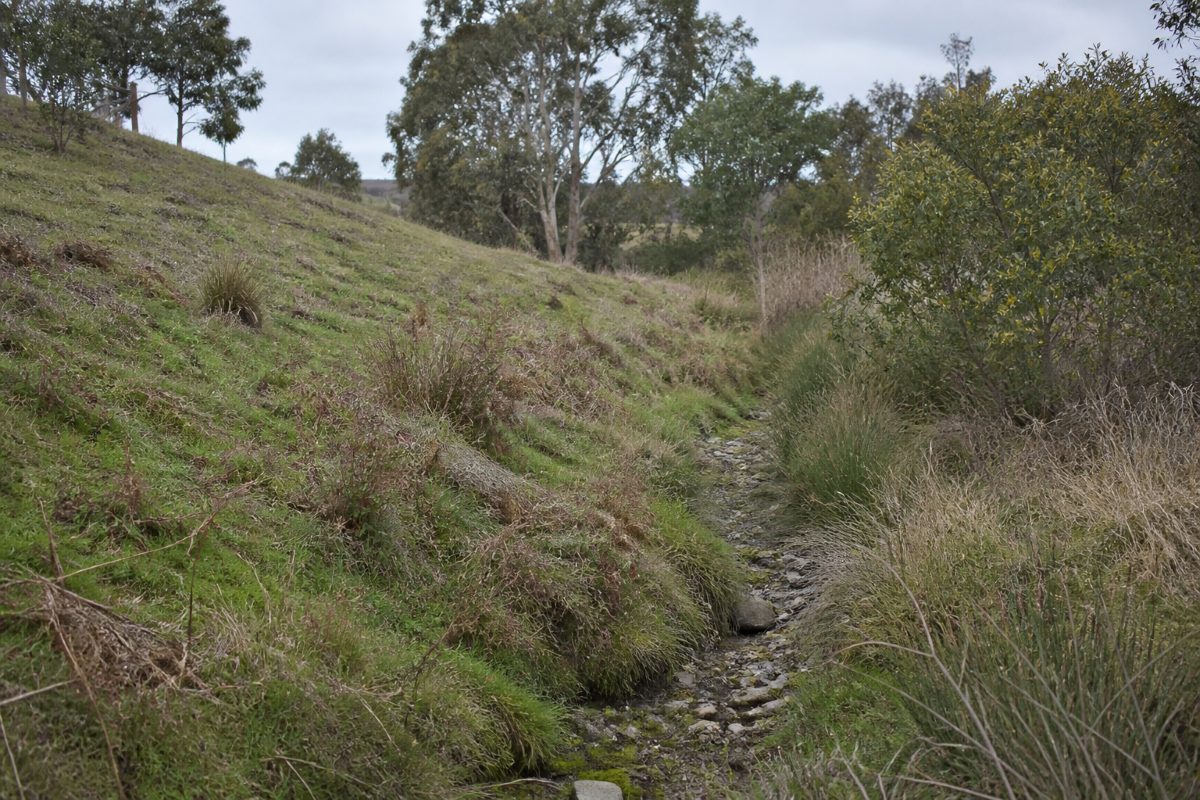
Typical areas include steep banks, dense scrub, overgrown boundaries, gullies and difficult-access tracks. The starting point is the condition of the ground and what you need the area to do, rather than the type of property alone.
Do you work outside Melbourne?
Yes. Blue Ridge Vegetation Management covers Melbourne and regional Victoria. Tell us where the property is and what needs attention so we can discuss the work and access requirements.
Routine grounds maintenance is a separate service, delivered by Blue Ridge Property Maintenance in Melbourne’s eastern and south-eastern suburbs.
How do I know whether I need specialist work or ordinary maintenance?
Specialist work is worth considering when the slope, vegetation density or access makes an area difficult to manage with your existing equipment or maintenance crew. Repeatedly clearing the same growth without improving access or manageability can also be a reason to review the approach.
Not every overgrown area needs specialist machinery. We explain what you may be able to manage yourself, what could fit into regular maintenance and where a different approach would help.
Do I need to know which machine I need before contacting you?
No. Tell us what the area is like, how it can be accessed and what you want to achieve. Choosing the method is part of our assessment.
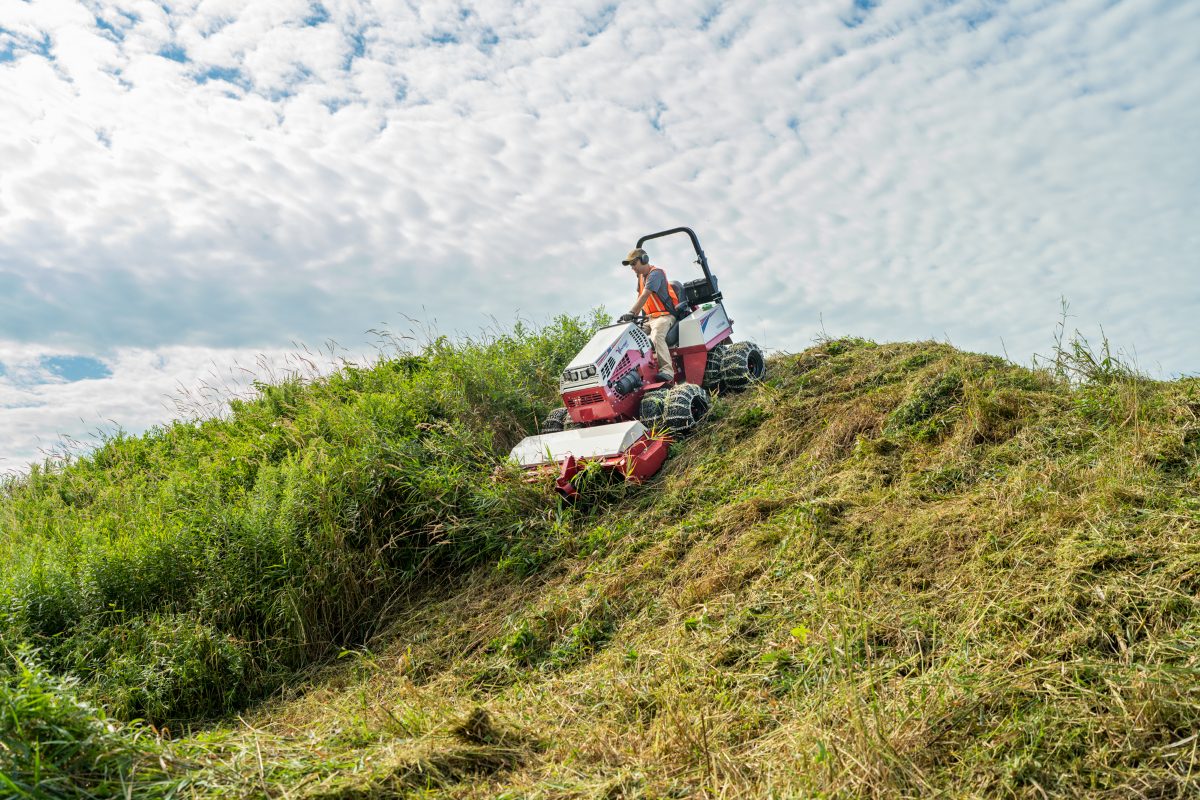
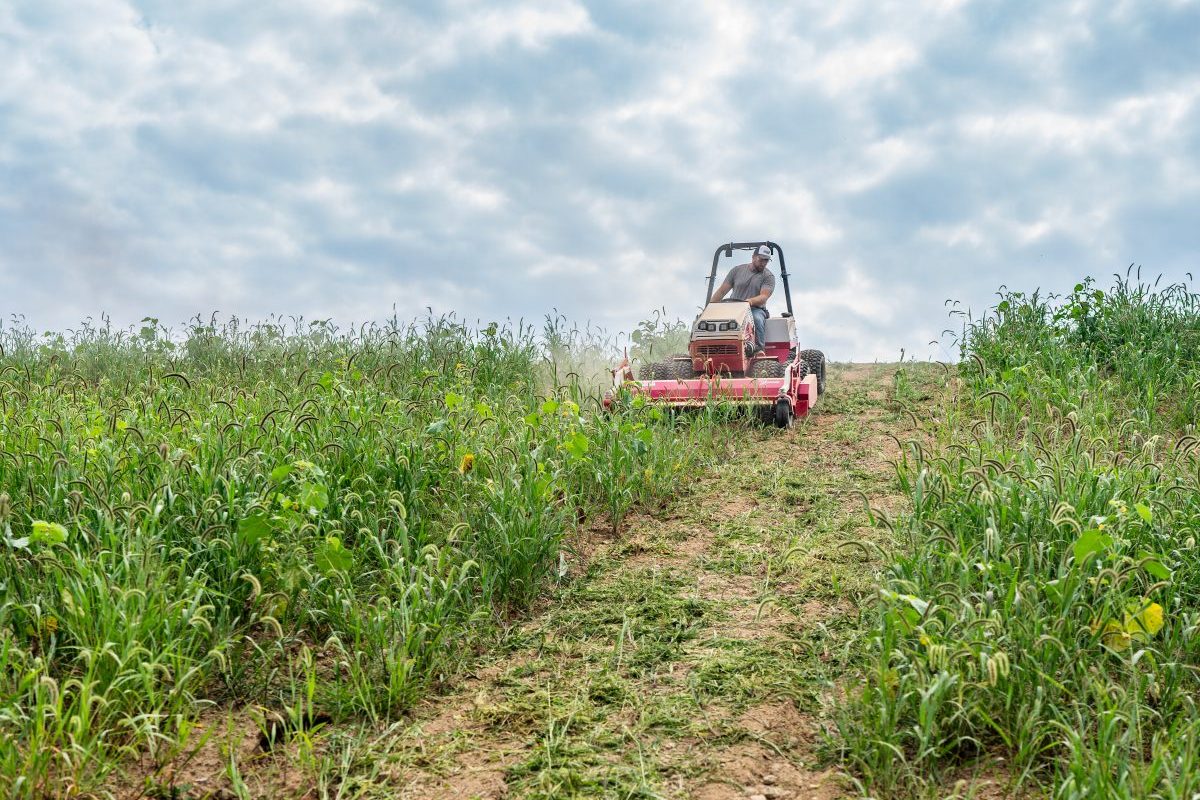
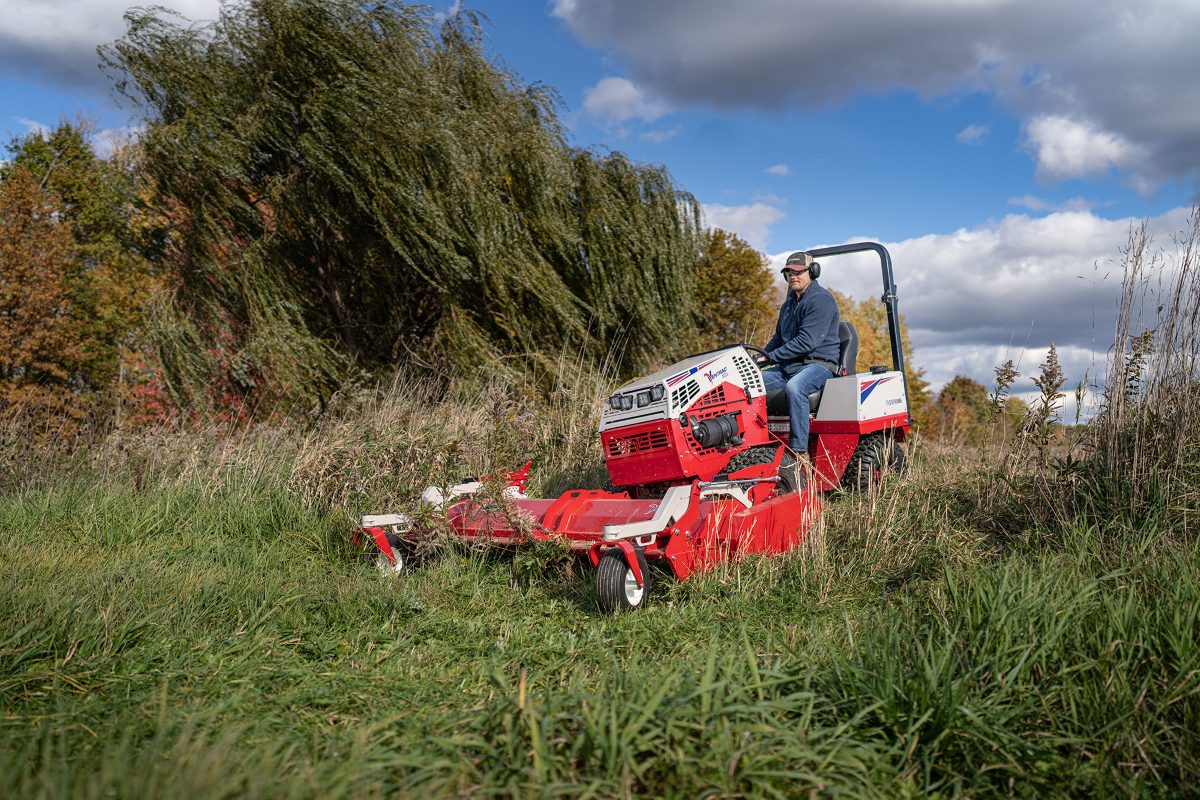
We’ve invested in specialist equipment, including a Ventrac for slope mowing and brush cutting, and an excavator with a flail attachment for dense vegetation and difficult-access clearing. We recommend equipment because it suits your ground, not because every job needs the same machine.
What happens at a site assessment?
We look at the slope and condition of the ground, the type and density of vegetation, and how our crew and equipment can access the area. We also identify the proposed work boundaries and any fences, structures, drainage areas or vegetation that need protecting.
We discuss what you want the area to do, explain the recommended approach and identify anything that needs further checking. You’ll understand the proposed work, its intended result and any limitations before deciding whether to proceed. There is no obligation to go ahead.
What information should I provide when I enquire?
Start with the property location, a description of the area and what you need to change. Photos can help us understand the situation, but you don’t need to enter steep or overgrown ground to take them.
Let us know about difficult access, previous clearing, known hazards or site restrictions. If other people need to approve the work, or it needs to fit a project timetable, include that too. You don’t need to have every detail worked out before contacting us.
How much does vegetation clearing cost?
The size of the area is only one part of the cost. Terrain, vegetation density, access, the proposed method and how cut material will be managed all affect the work involved.
We assess those conditions before defining the scope. Initial clearance, material handling and any recommended follow-up need to be understood separately, so you can see what you’re approving rather than rely on a price that leaves important work unclear.
Can the work be completed in stages?
Where it suits the site, yes. Some properties benefit from addressing priority areas first, such as an access route or boundary, before moving on to other sections.
We look at the practical order of work, your budget and how you intend to use the land. We’ll also explain where staging could involve repeat visits or allow regrowth between stages, so you can weigh the options.
What will be included in the proposed work?
The scope sets out the area to be worked on, the proposed method and the result the work is intended to achieve. It also makes access requirements, preparation, material handling and any exclusions clear.
Initial clearance and optional follow-up are identified separately. If you need information to share with a partner, property owner, committee or project team, let us know so the proposal addresses the decision they need to make.
What happens to the vegetation after it is cut?
That depends on the vegetation, the method and how you need to use the area afterwards. Some material may be mulched on site where that is appropriate.
We explain the proposed handling of cut material before work starts. Don’t assume a clearance price includes removing everything from the property: what stays, what is removed and any associated work need to be clear in the agreed scope.
How do you plan work around fences, structures and drainage?
We identify nearby structures, boundaries, drainage areas and vegetation to be retained as part of the assessment. Those features influence the equipment, access route and work boundaries.
Tell us about known services, concealed obstacles and anything that must remain undisturbed. We discuss protection requirements and limitations before proceeding. Vegetation clearance around drainage is not the same as assessing or repairing the drainage system itself.
Can you work on very steep, wet or difficult-access ground?
These conditions are part of the work we assess, but specialist equipment does not make every site suitable for the same approach.
The slope, ground condition, vegetation, access and surrounding features all matter. We’ll explain what is practical, what needs further checking and whether another method, different timing or another provider would be more appropriate.
Do you subcontract the work?
No. Vegetation work is carried out by Blue Ridge’s in-house crew, with Blue Ridge responsible for the agreed work from assessment through to completion.
We own our Ventrac and excavator with flail attachment. A robotic slope mower is hired when appropriate for the assessed site conditions. Hiring equipment is separate from subcontracting the work.
Can you plan the work around people using the site or other contractors?
We discuss those requirements before agreeing the work. Tell us about occupied areas, shared access, public use, deliveries, other trades and any site inductions or restricted working times.
These details help determine the work sequence and access arrangements. If parts of the site need to be temporarily unavailable, that needs to be understood before work begins rather than discovered when the crew arrives.
What happens if conditions change after the work has been agreed?
Dense vegetation can conceal conditions that affect the proposed work. Weather or changes to access can also influence what is practical on the day.
If something affects the agreed approach, we explain what has changed and what it means for the scope, cost or timing. Changes to the scope are discussed and agreed before additional work proceeds.
Is one clearance enough?
Sometimes. A defined clearance may achieve the result you need, or make the area suitable for regular maintenance again.
On other sites, vegetation can regrow and need further attention. We explain the difference between the initial clearance and longer-term control, then recommend monitoring or follow-up based on the vegetation and how you intend to use the ground. One clearance is not a promise of permanent removal.
Do I need an ongoing maintenance arrangement afterwards?
Not necessarily. Some areas can return to your own maintenance routine or the work your existing contractor already handles.
Others may need periodic specialist attention. We explain what to monitor and what follow-up would be useful, so you can decide how to manage the area without committing to work it does not need.
Can you provide information for owners, committees or project teams?
Yes. Clear scopes and useful records are part of how we work. Let us know who needs to approve the proposal and what information they need.
For managed, public or project sites, discuss any specific reporting, photographic evidence or completion-document requirements before work is agreed. That allows the documentation to be planned around its purpose rather than added as an assumption afterwards.
Is the free checklist a risk assessment?
No. Managing Steep, Overgrown and Hard-to-Access Areas is a practical planning tool. Its ten questions and action-plan worksheet help you organise what you know about your property, identify priorities and decide what to monitor through the seasons.
It is not a formal risk assessment, legal opinion, environmental assessment or engineering report. Use it as a starting point for planning, not as confirmation that an area is safe to enter or that particular work is suitable or approved.