Land clearing
Overgrown land, made usable again
Dense blackberry, bracken, scrub and woody weeds on acreage, rural blocks, commercial parcels and project sites.
Across Melbourne and regional Victoria.
When overgrown land stands in the way of what you need to do
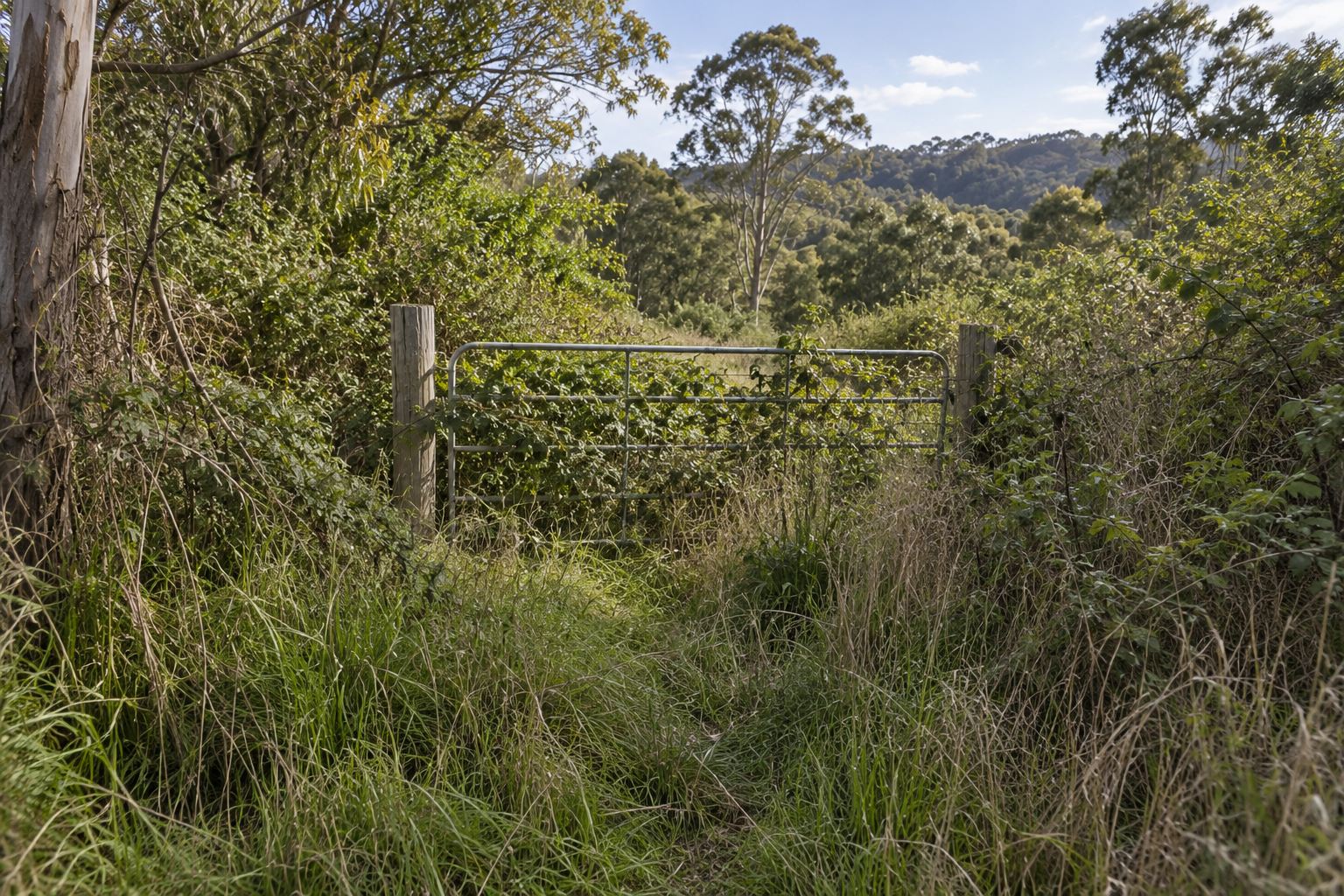
A back paddock that hasn’t been touched in years. An overgrown boundary on a commercial property. A reserve or access route disappearing into dense growth. A parcel of land that needs clearing before a sale or the next stage of a project.
You need the area accessible and usable, but a standard mower can’t get through it and clearing it by hand could take weeks. It needs a different approach.
Initial clearance can open the area up, restore access and help you see what you’re working with. Whether you need to reclaim usable space, improve presentation before a sale or keep a project moving, we start by understanding that goal.
Choosing the right clearing method
Excavator with a flail attachment
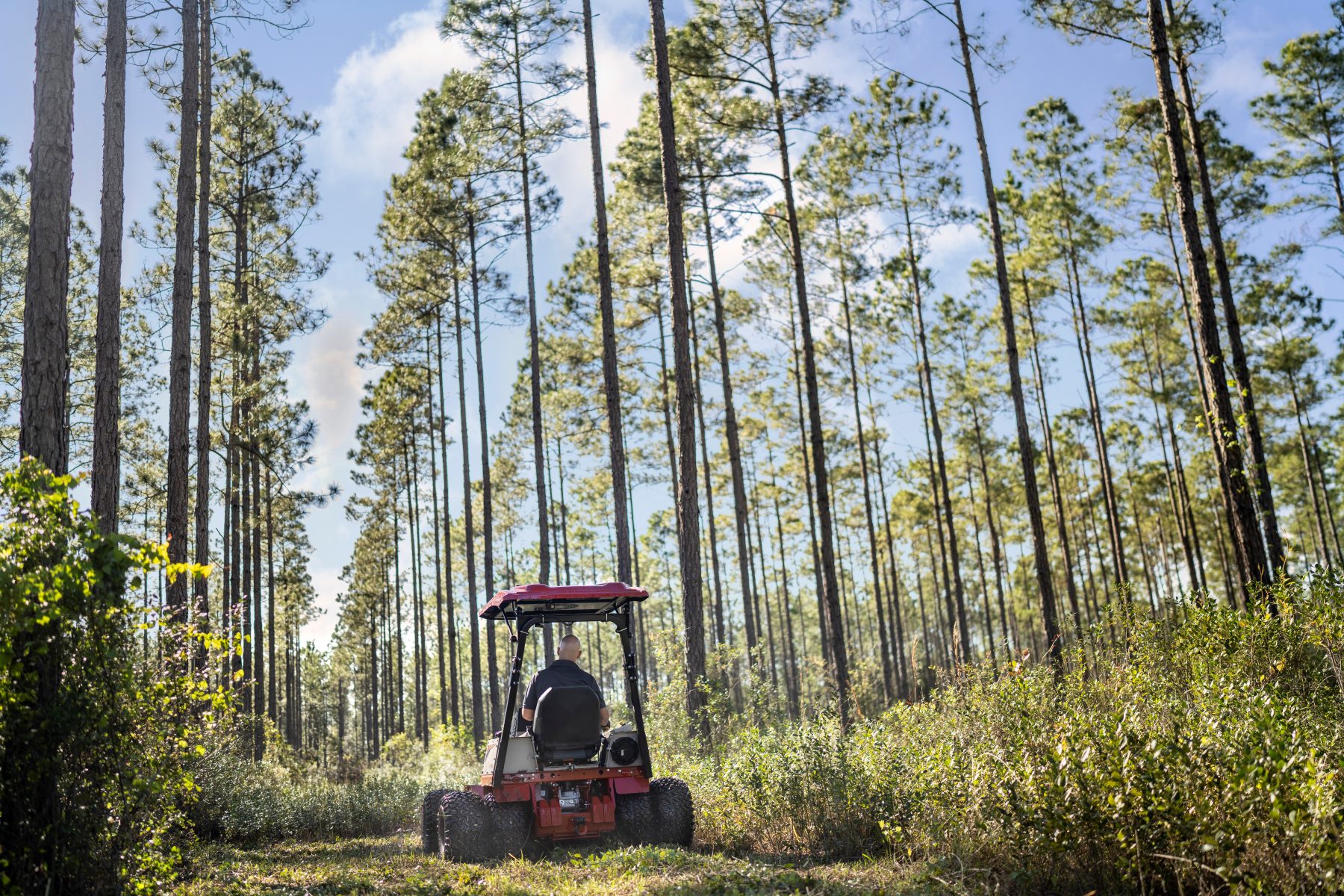
For dense vegetation and areas that need the reach of an excavator. The flail cuts and mulches vegetation in place. Whether that material stays on the ground or needs further clean-up depends on the site and how you intend to use it.
Slashing
For long grass and lighter growth where the terrain and access suit the equipment. We assess the ground conditions and vegetation before confirming whether slashing is the right approach.
Hand clearing
For work close to fences, structures and services, or in restricted spaces where machinery may not be suitable. Some sites need a combination of machine and hand work.
Start with the ground, not the machine. Most enquiries begin with "which machine do I need?". The useful questions are how the area is accessed, what is growing there, what needs protecting and what you need the area to do. The method follows those answers.
Clearing restores access first. What keeps it clear is decided afterwards.
Blue Ridge Vegetation Management helps people with
A clear plan for overgrown land
Choosing the right clearing method
Understand when an excavator flail, slashing, hand clearing or specialist slope mowing may suit your site, and whether cut material can stay on the ground or needs removing.
Planning clearing around the seasons
Consider how seasonal growth, wet ground and access affect the timing of clearance. Plan the initial work and follow-up together, so regrowth doesn’t undo the progress made.
Preparing land for its next use
Whether you’re reclaiming a paddock, preparing land for sale or clearing an area for the next stage of a project, agree on what needs clearing, what stays untouched and the condition the area needs to be left in.
Moving beyond repeated patch-up work
If the same area keeps becoming overgrown, another round of hand clearing may not be the most practical approach. Consider whether a different clearing method and a planned maintenance schedule would make it easier to manage the area over the long term.
Practical guides on these topics will be added to our Journal as they’re published.
Common questions
Land clearing questions
What is the difference between a flail mower and a slasher?
A slasher cuts with swinging blades and suits grass and light scrub on ground a tractor can drive. A flail uses many small hammers on a drum and can chew through dense woody growth, mulching as it goes. On an excavator arm it can reach banks and areas a tractor cannot. Which one suits your land depends on the growth and the access, and we confirm it on site.
Do I need permits to clear vegetation?
Rules on native vegetation removal vary by council and by what is growing. We do not give planning or environmental advice. Where a permit may be needed, we will say so before work begins and you can check with your council; we work within what has been approved.
What happens to the cleared material?
On most flail work it is mulched in place. Where the site needs it removed, or there is fallen timber that will not mulch, we agree that in the scope before we start.
Can you clear a whole property at once?
You do not have to. Most owners start with the area that is restricting access, holding up a project or becoming hard to inspect, then plan the rest.